MAKI GALLERY, TOKYO
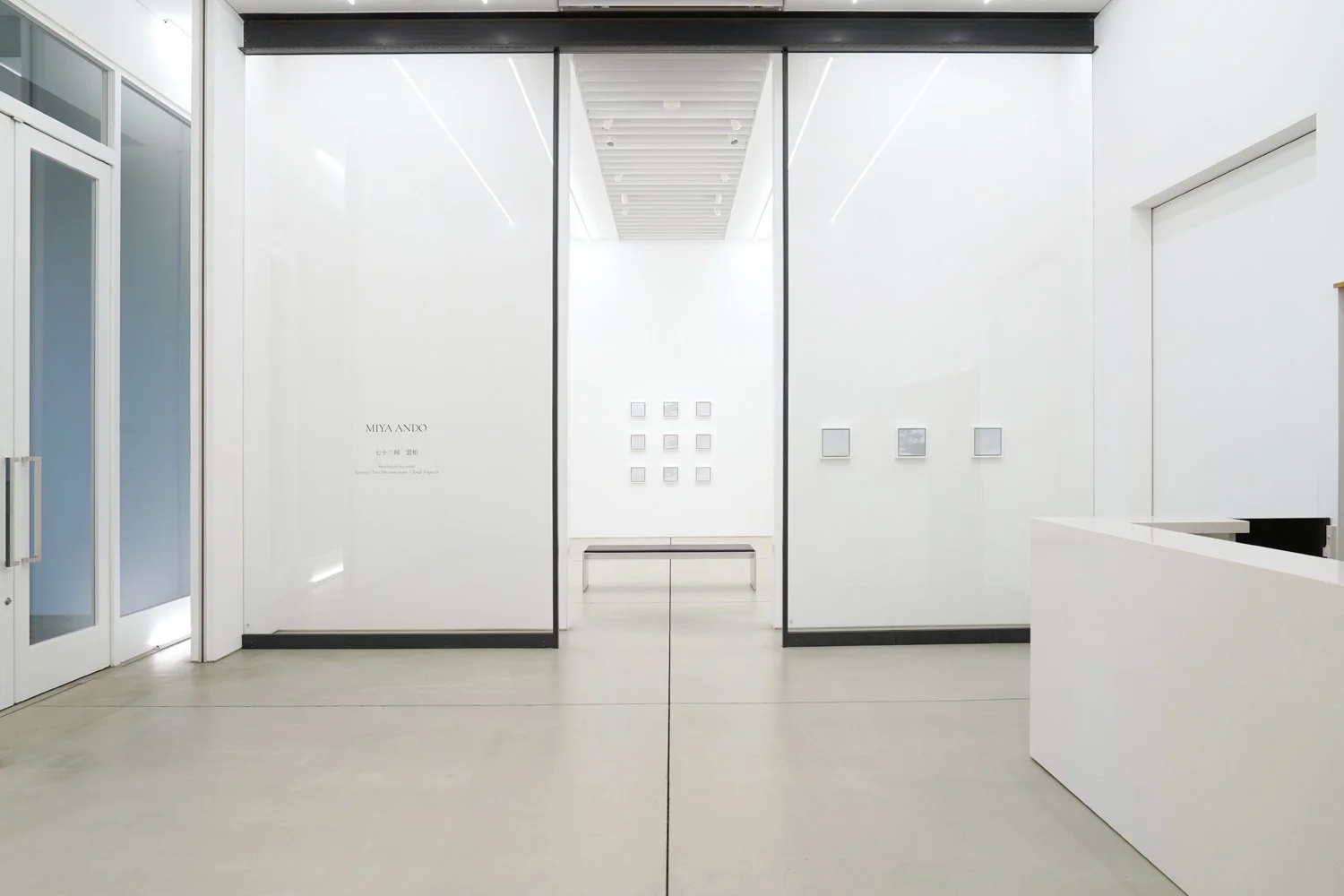
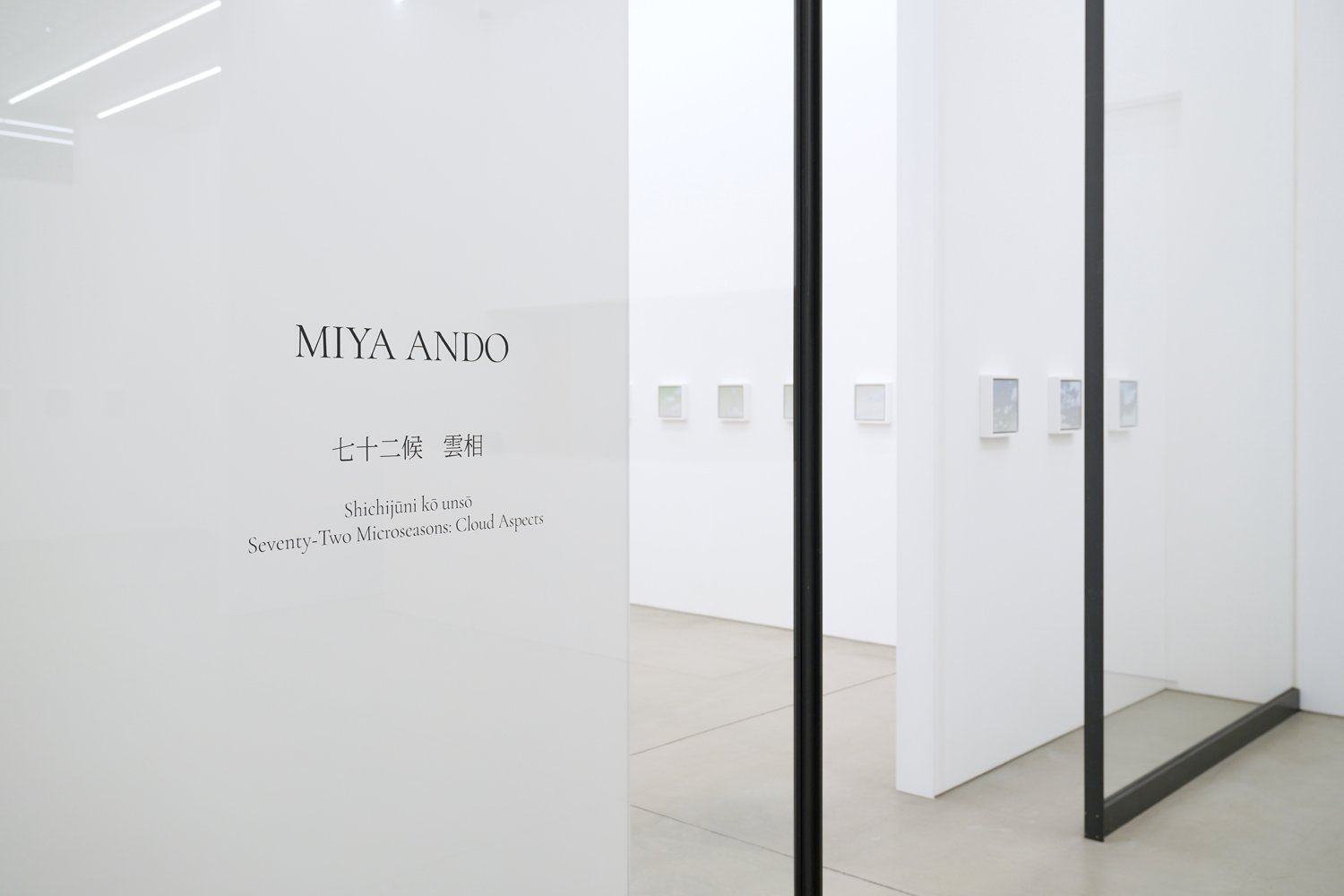
SHICHIJŪNI KŌ UNSŌ (SEVENTY-TWO MICROSEASONS: CLOUD ASPECTS)七十二候 雲相
Solo Exhibition
January 24, 2026 - February 28, 2026
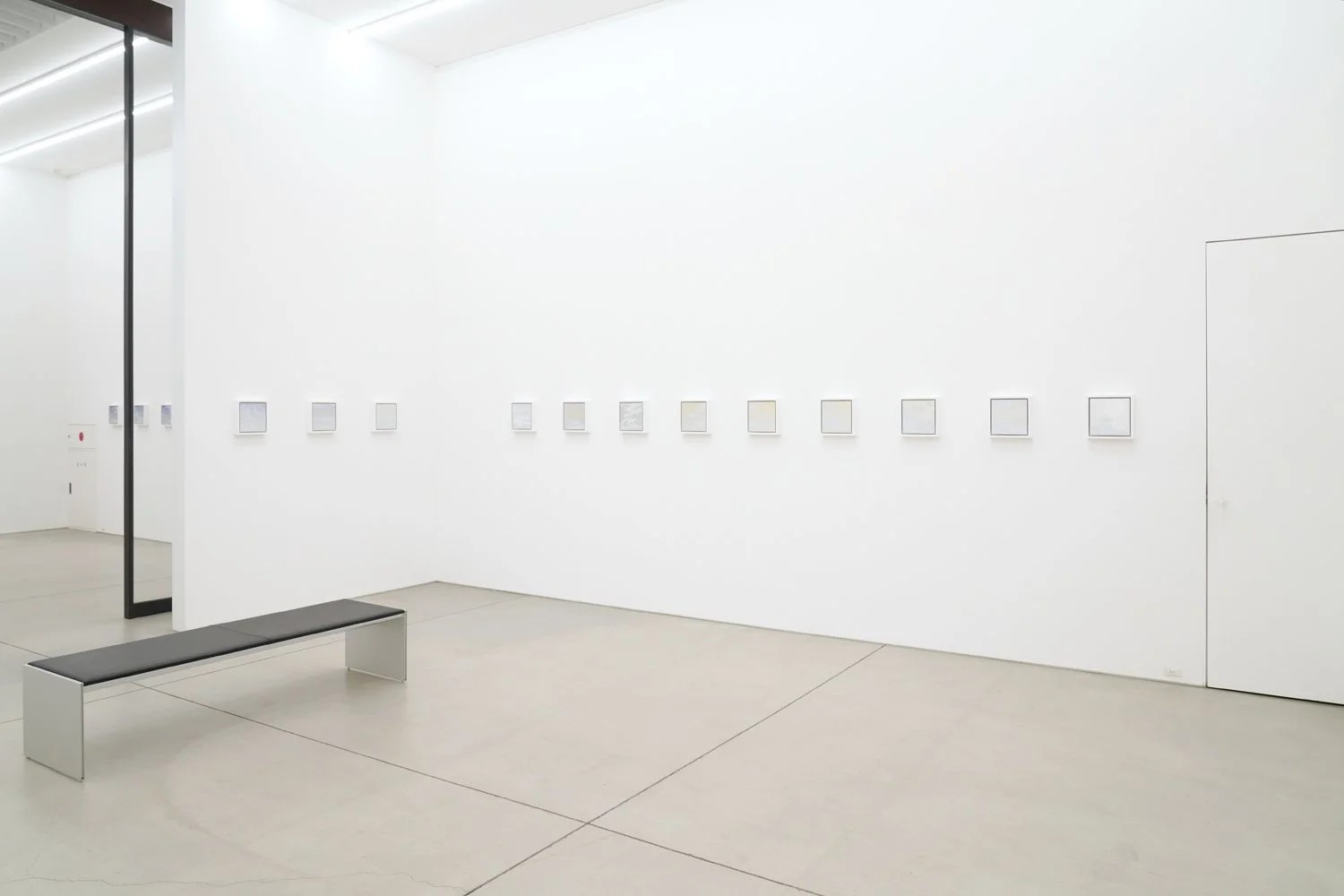
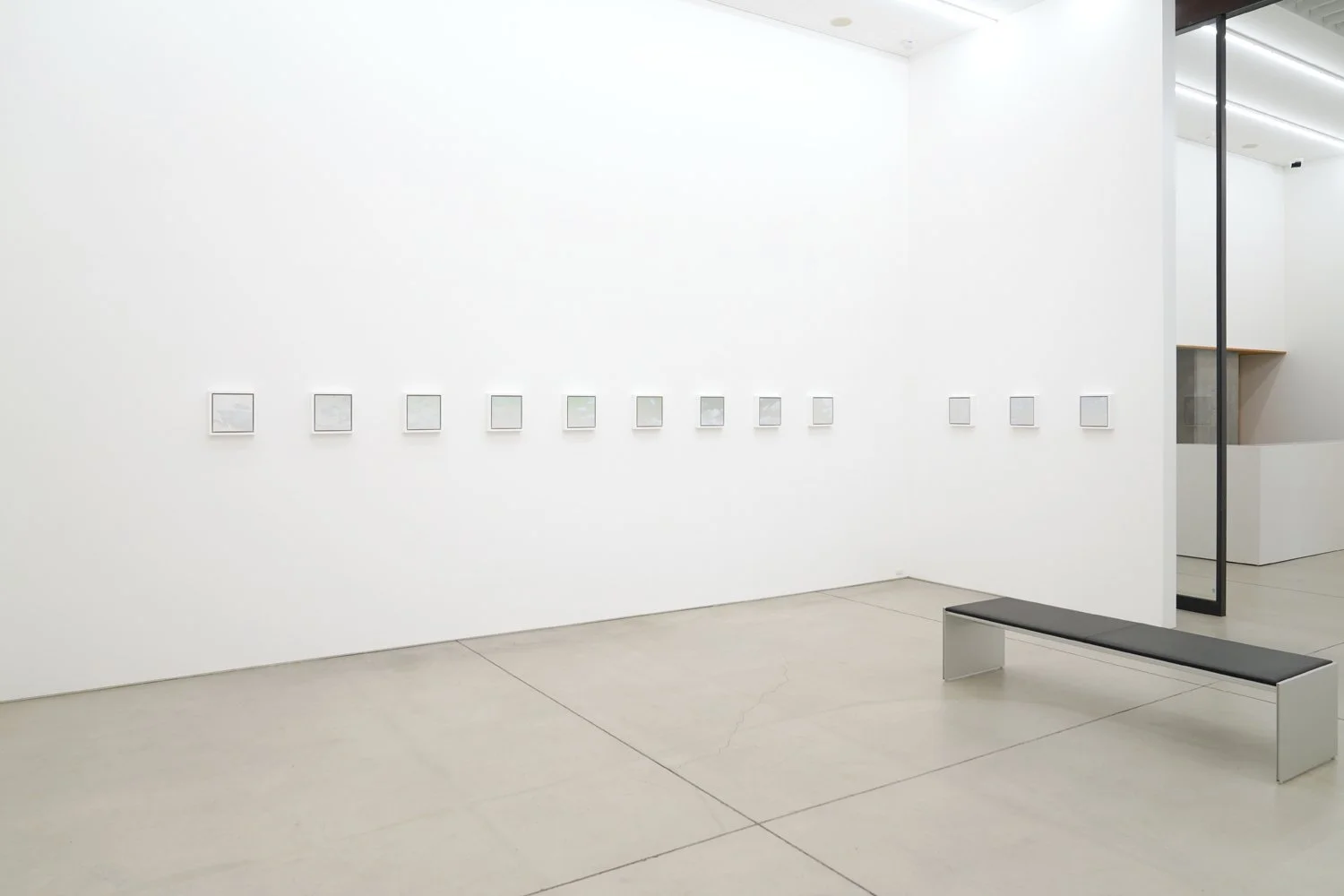
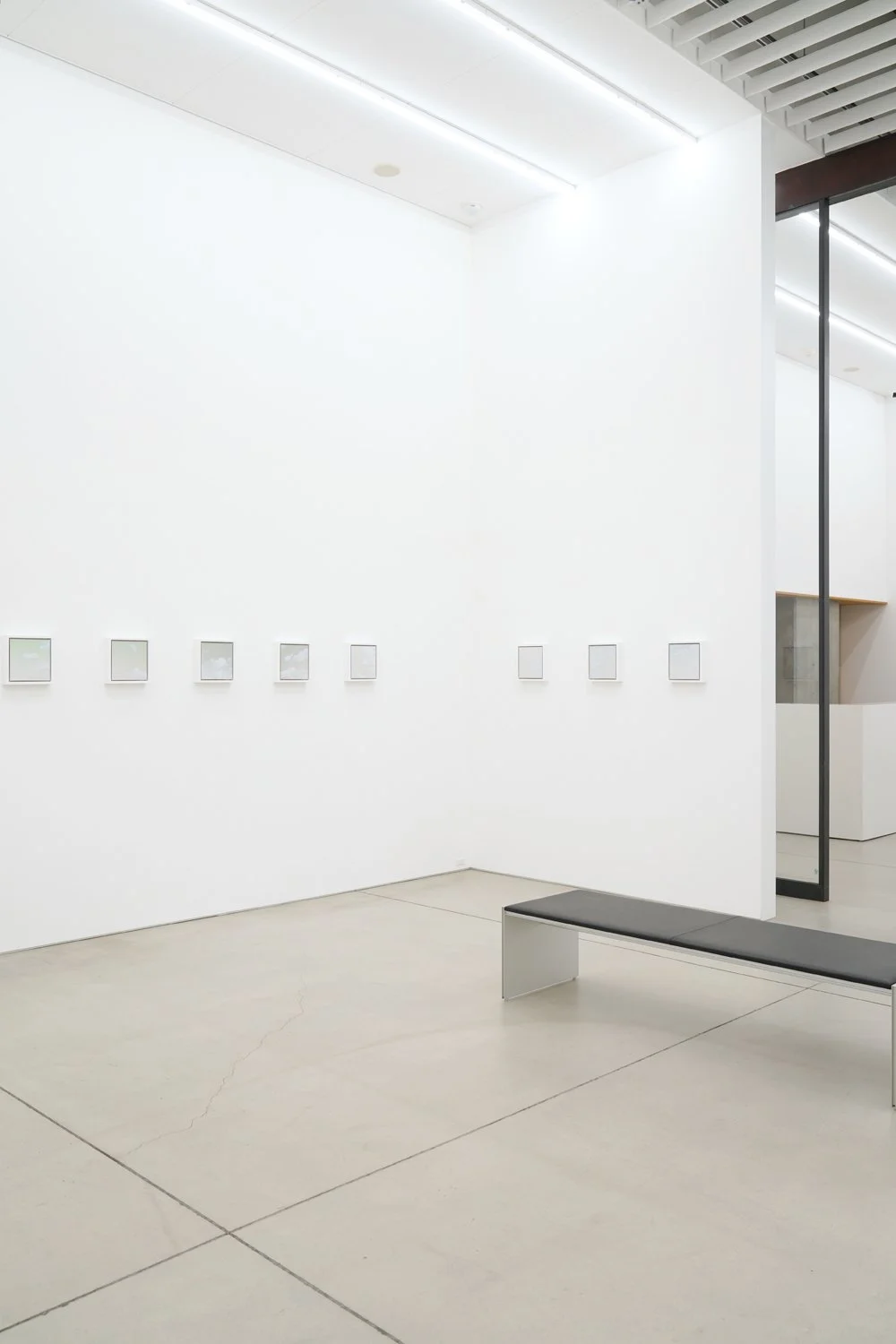
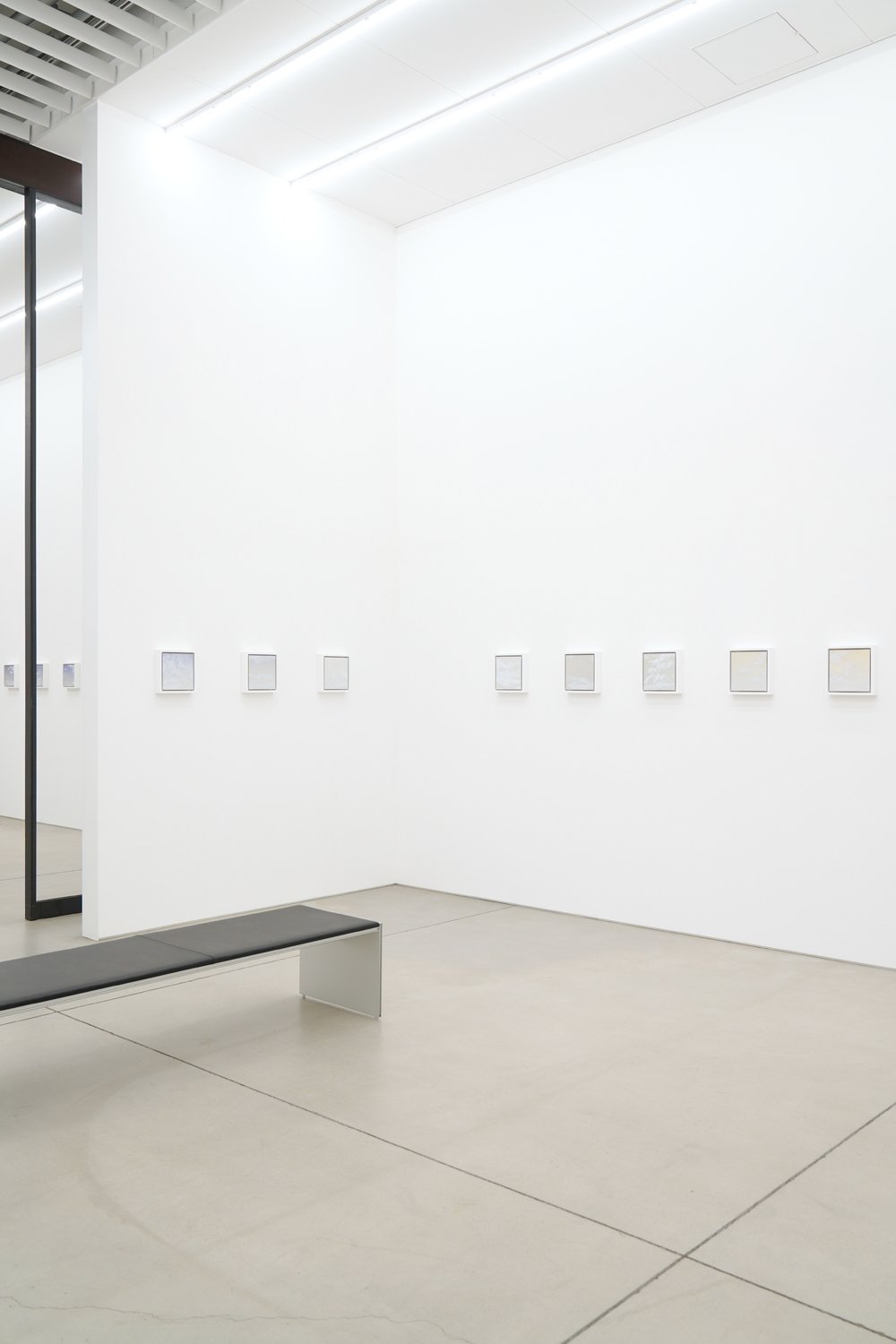
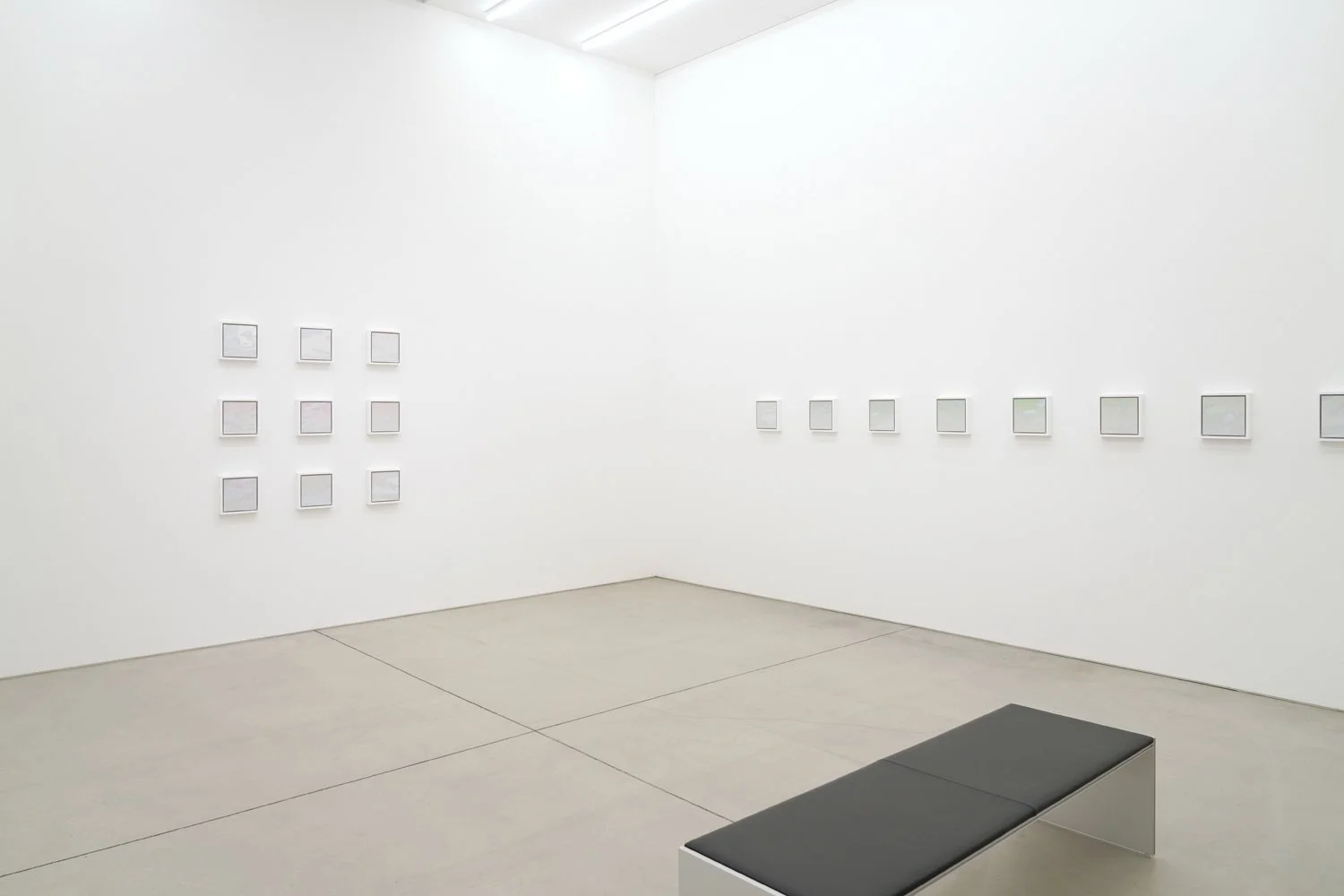
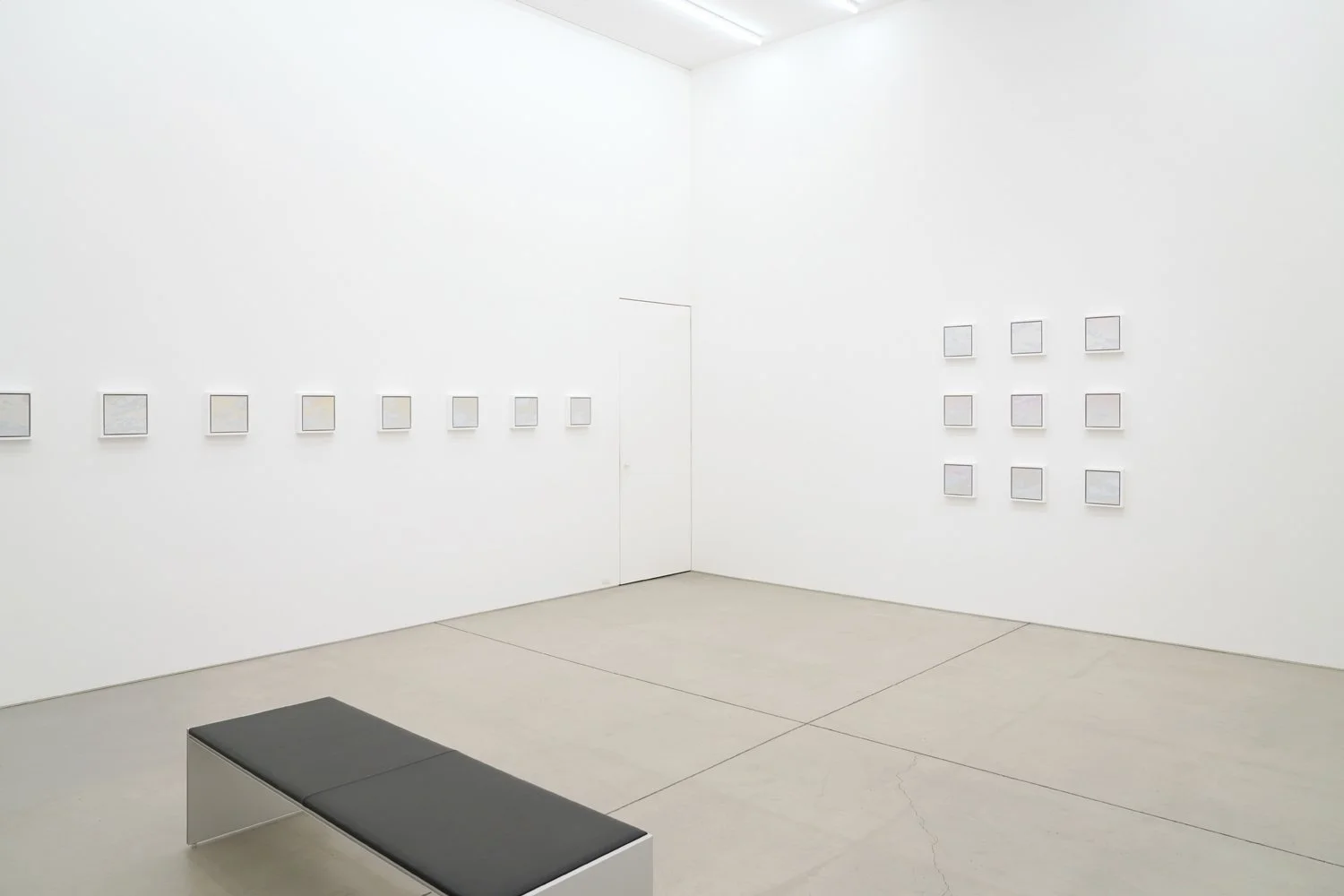
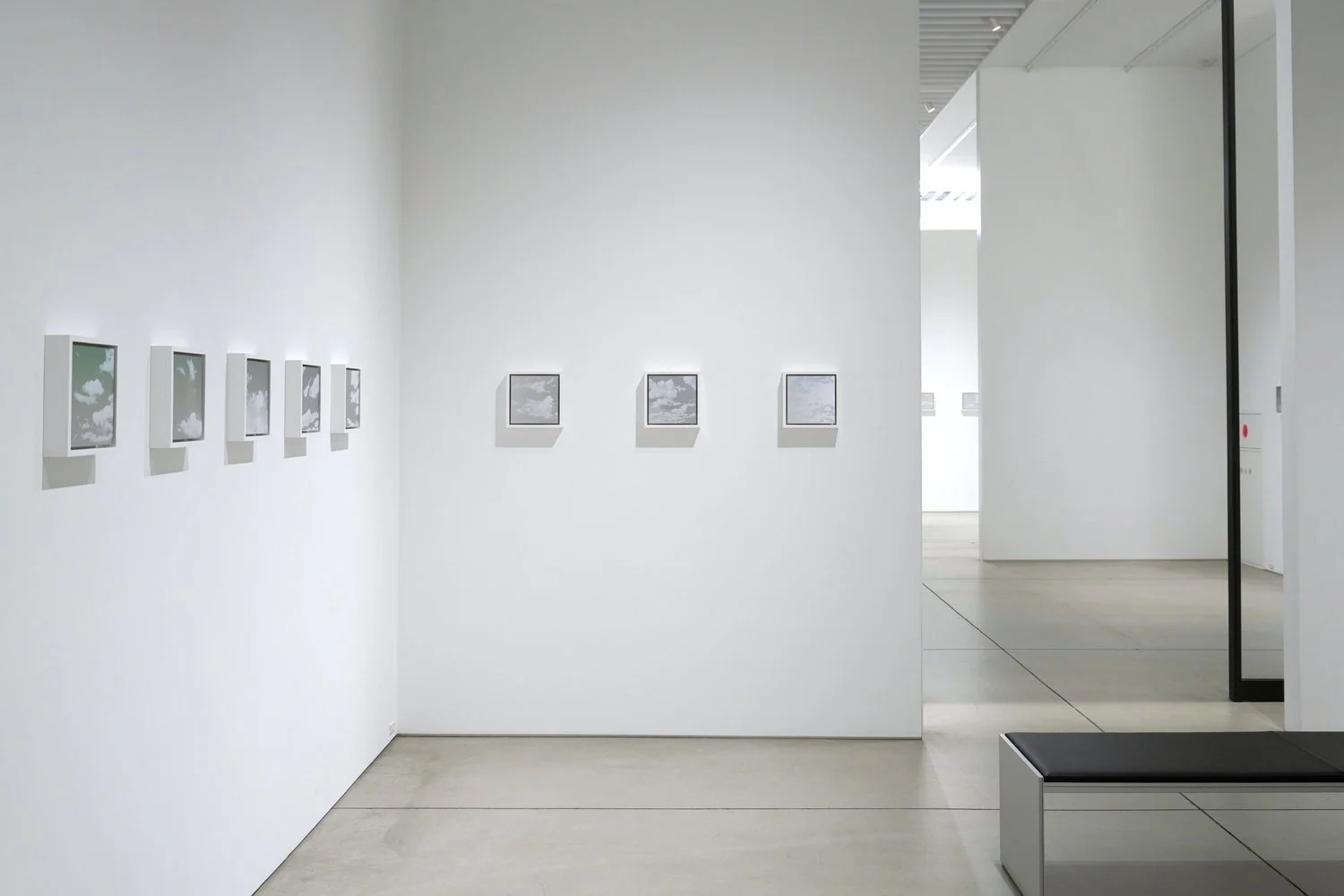
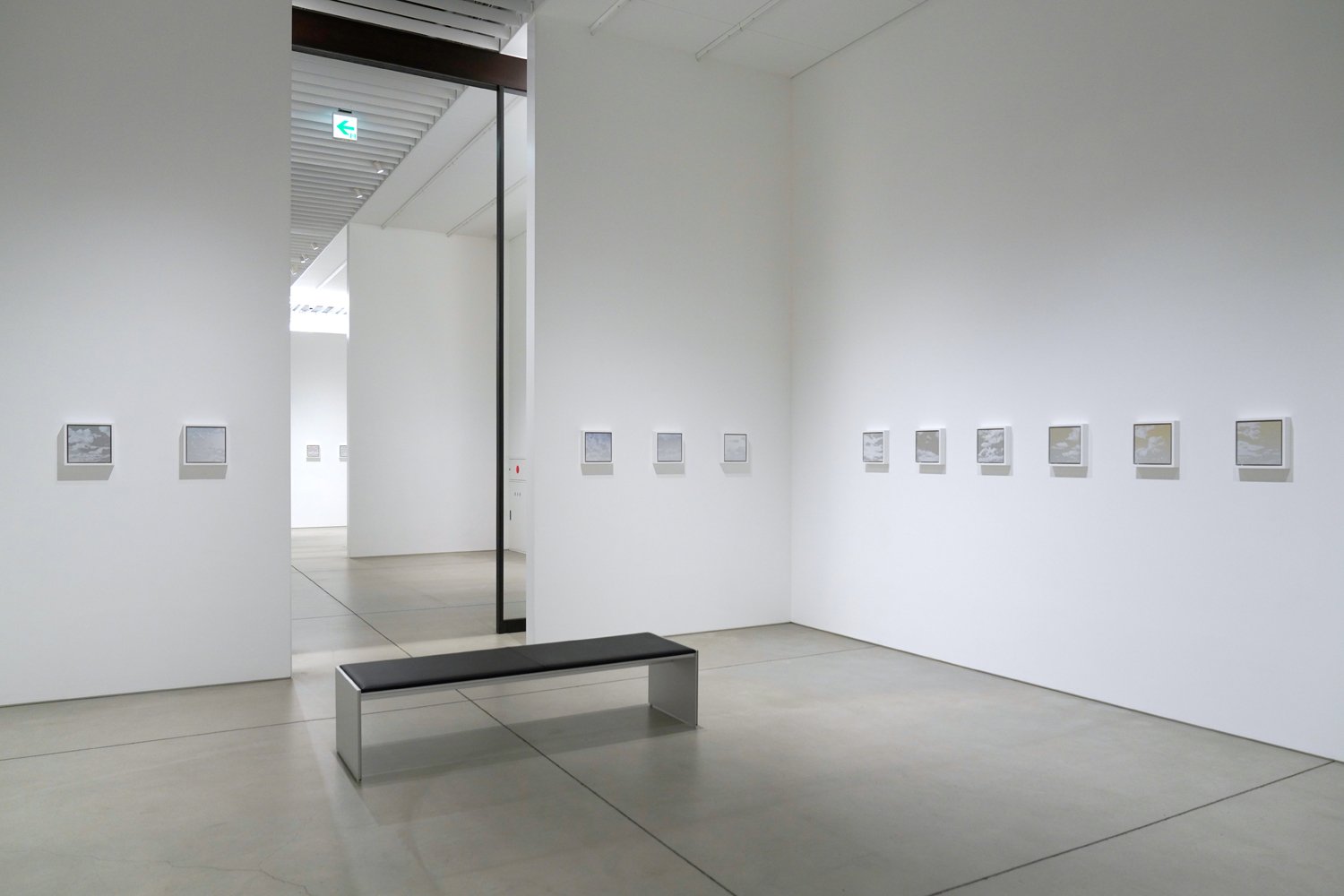
MAKI Gallery is pleased to present Shichijūni kō unsō (Seventy-Two Microseasons: Cloud Aspects), New York-based artist Miya Ando’s third solo show at Tennoz, Tokyo. The exhibition features seventy-two of Ando’s signature cloud paintings structured according to shichijūni kō (七十二候), a traditional East Asian calendar system that divides the year into seventy-two microseasons. Every microseason spans approximately five to six days and is marked by a small, observable change in the natural world. Although the system is designed to organize time into fixed intervals, it is ultimately understood through the accumulation of subtle transitions.
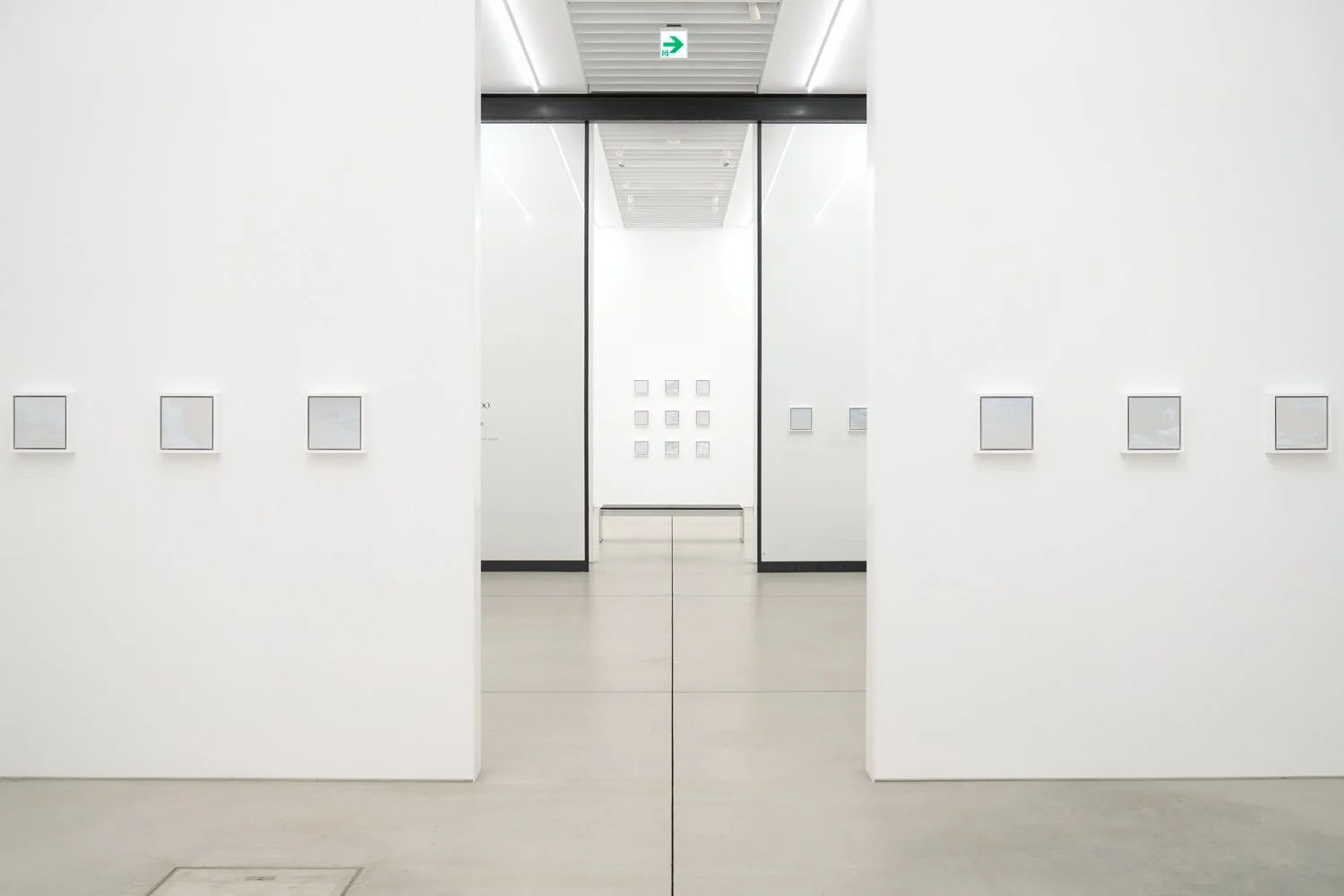
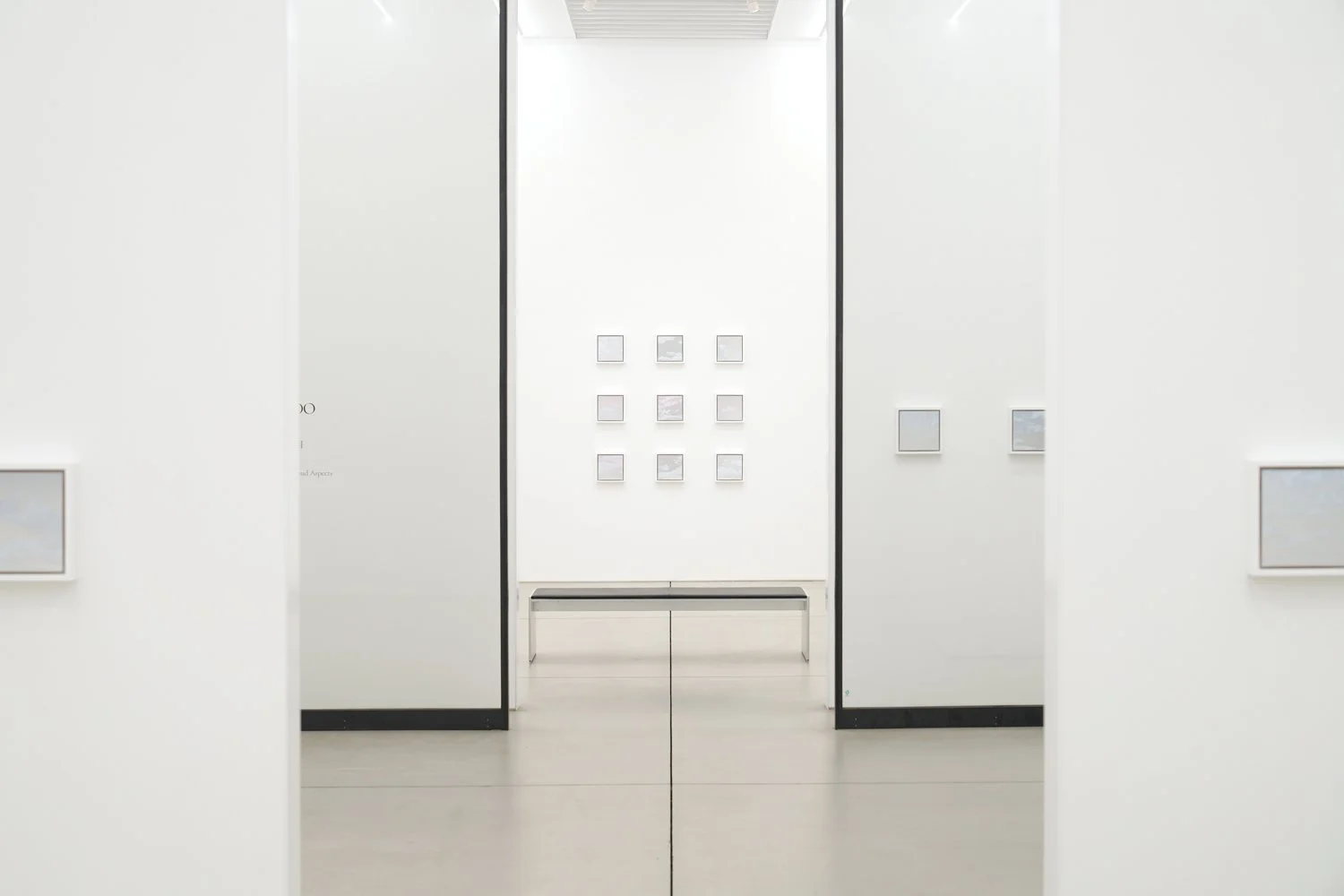
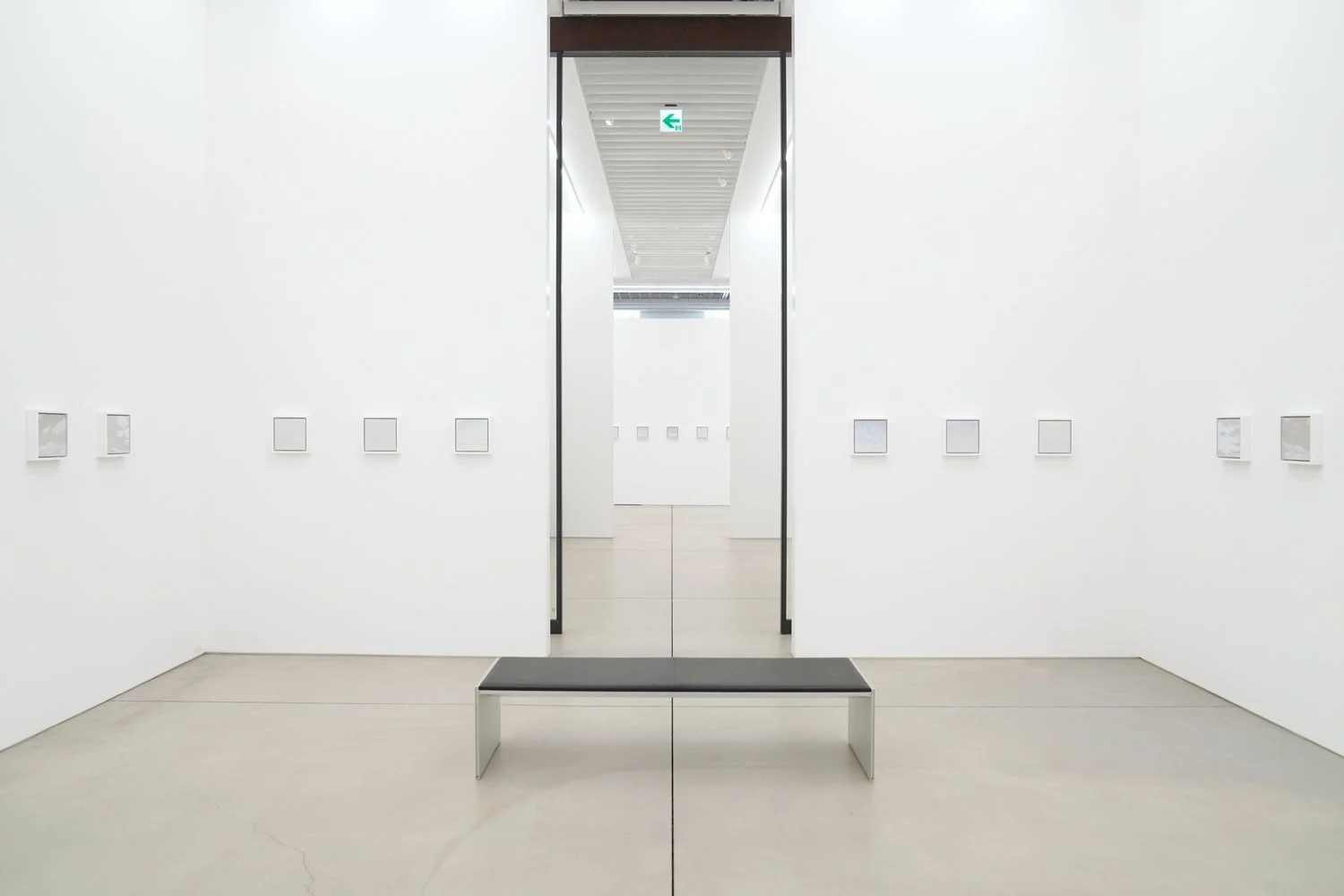
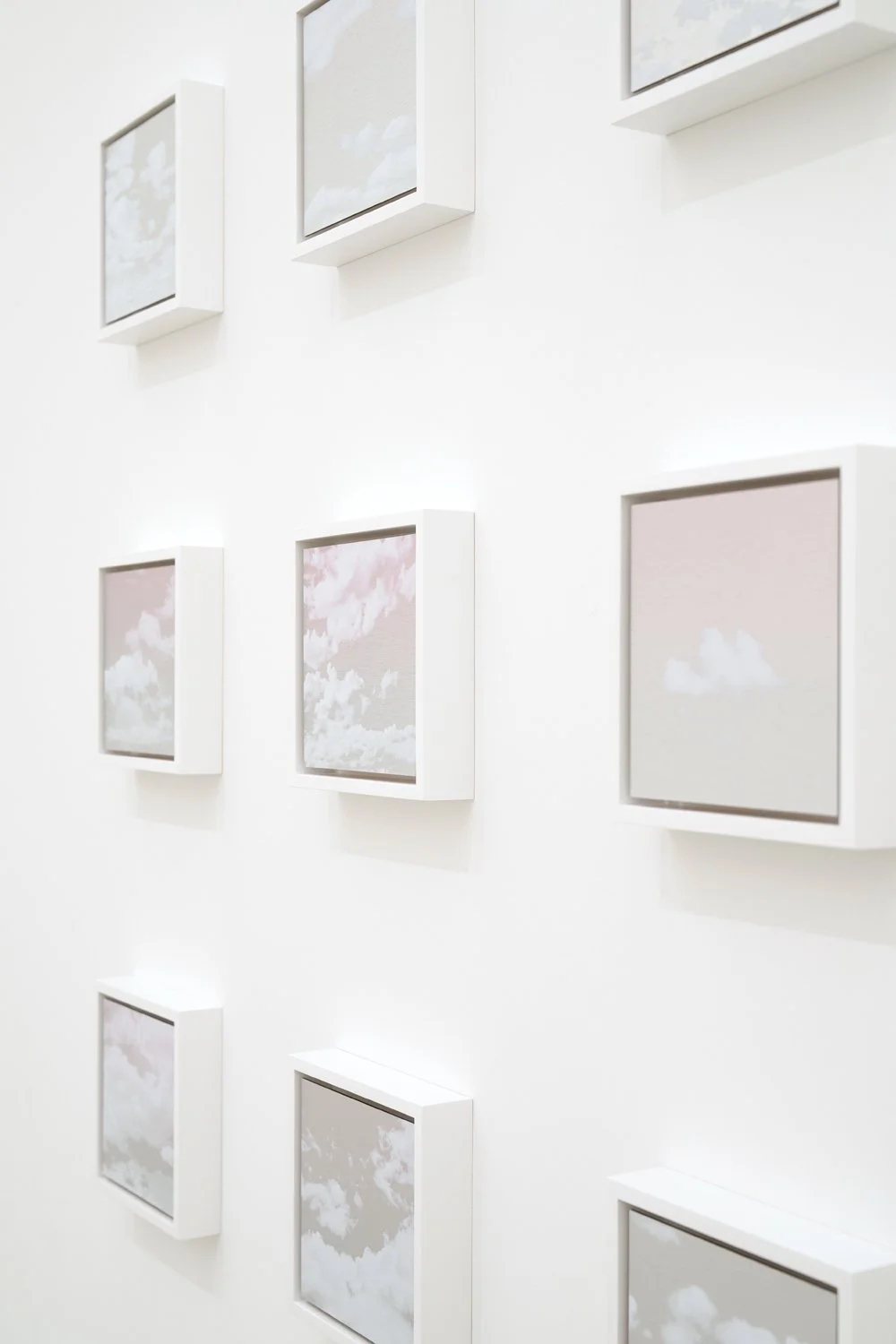
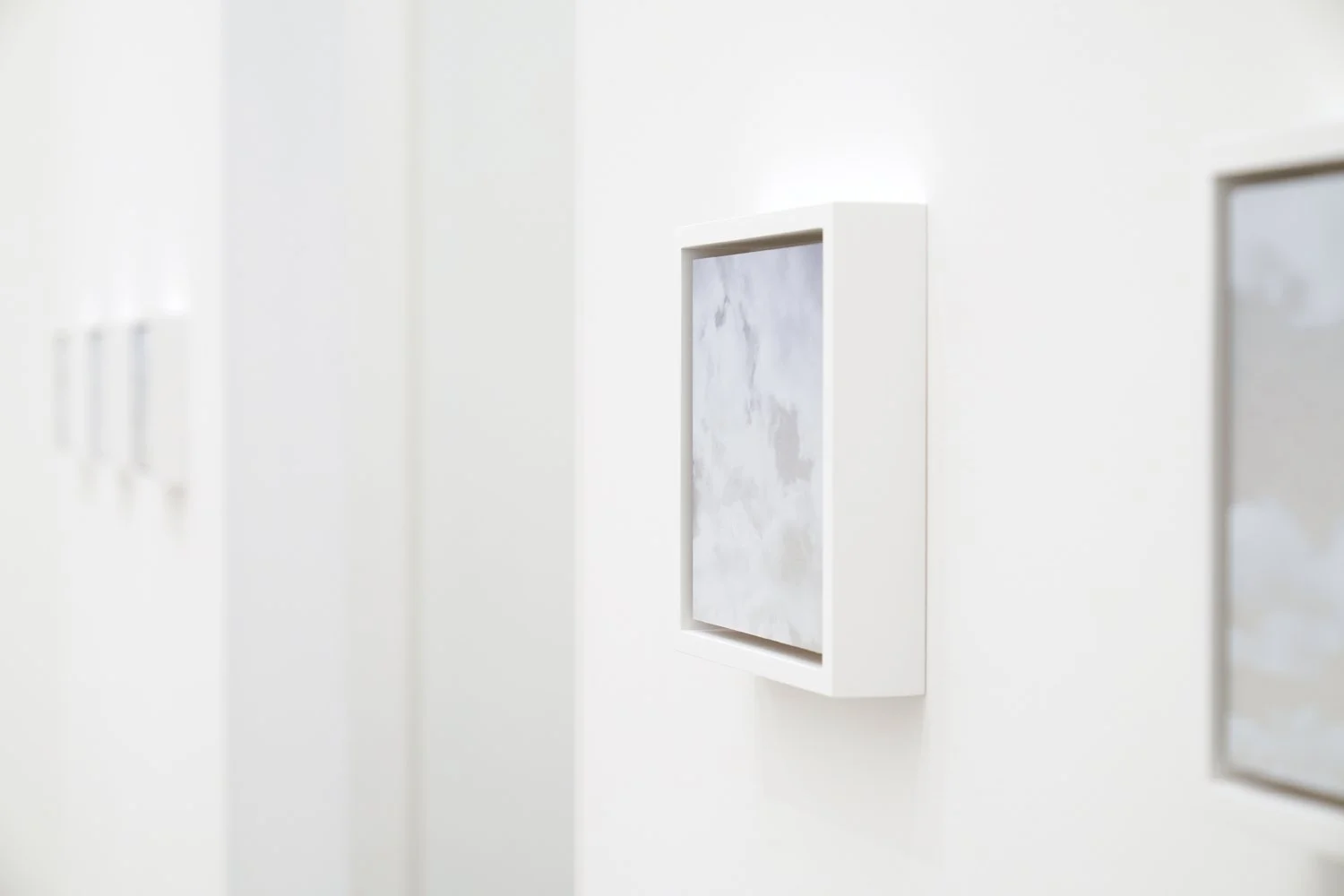
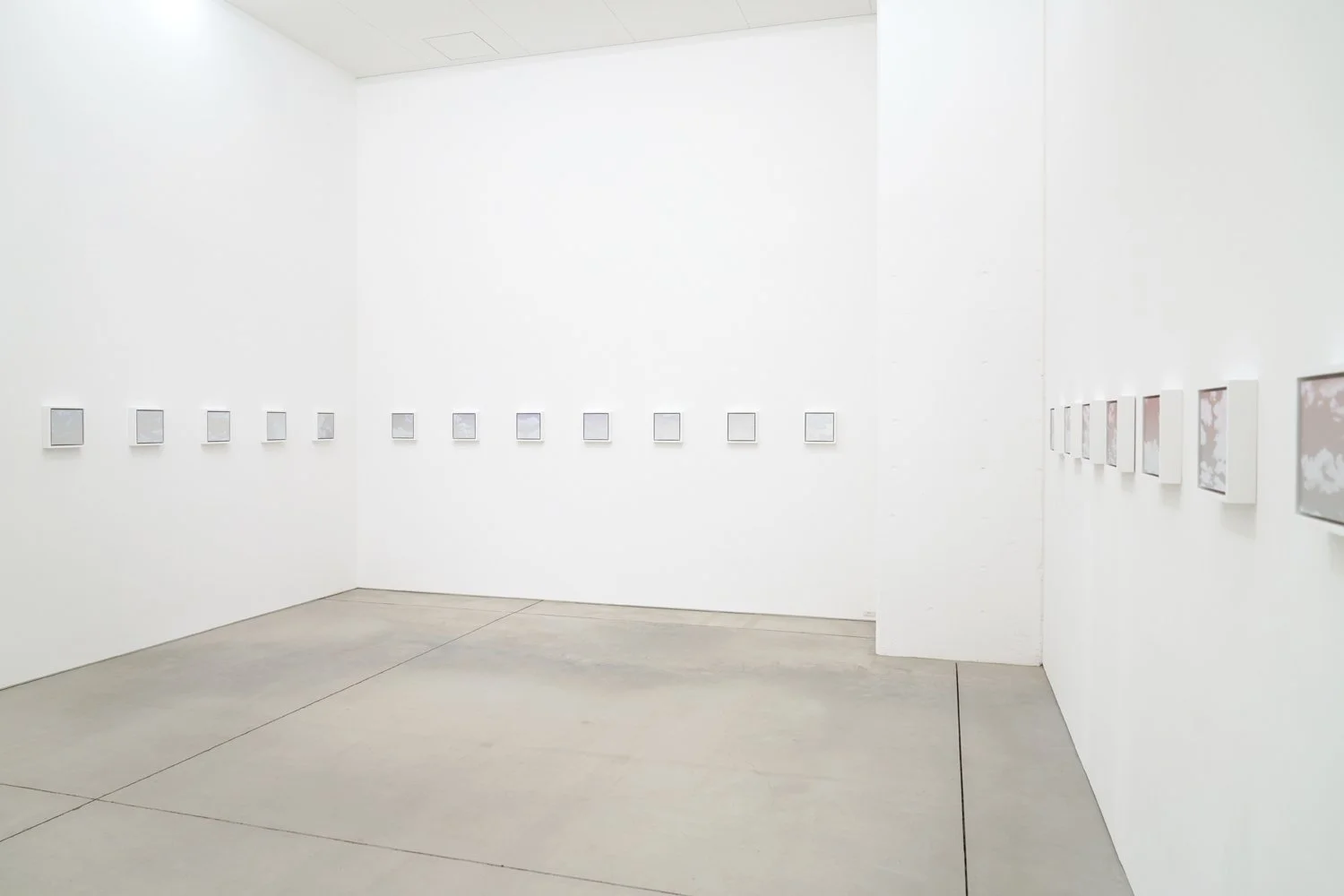
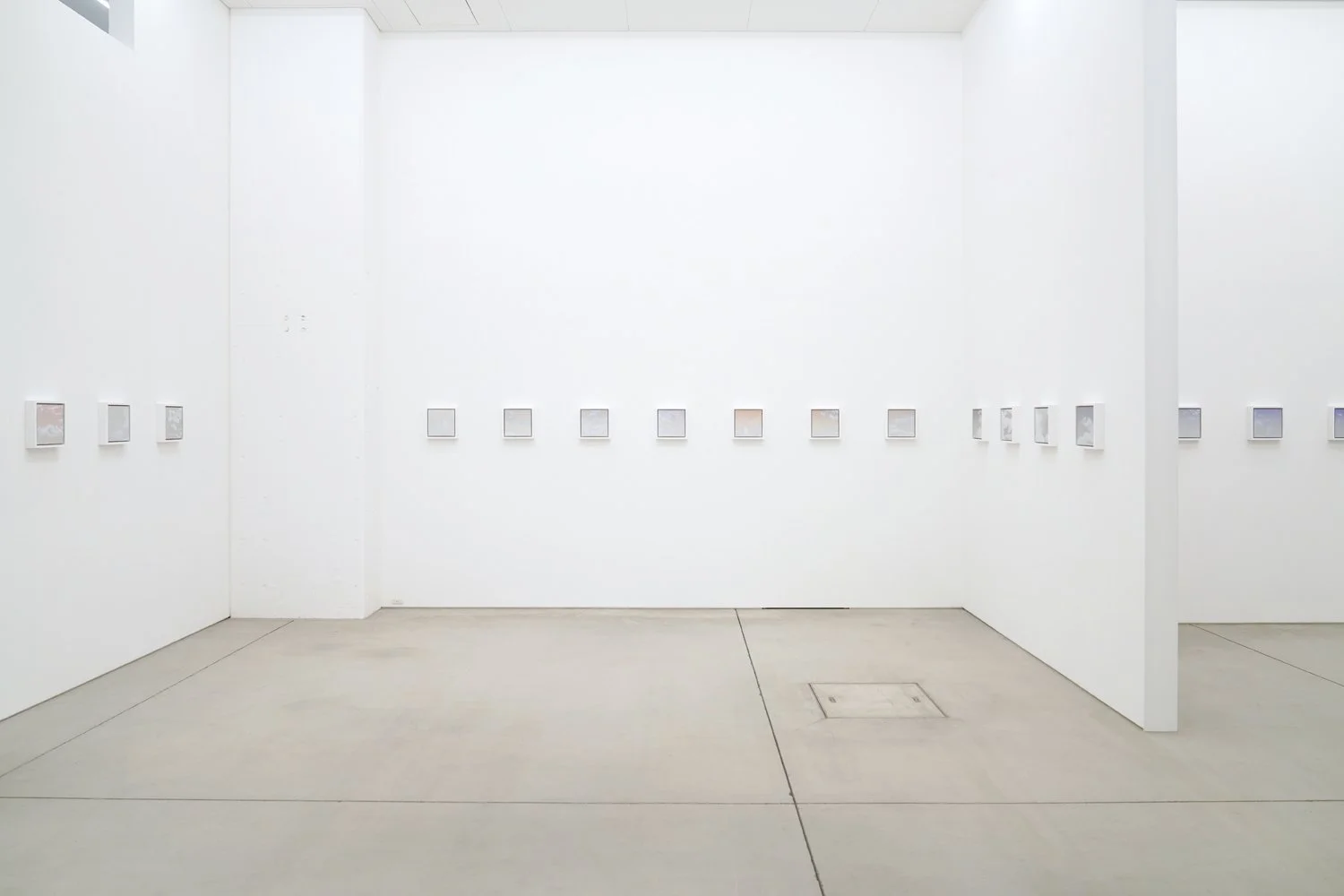
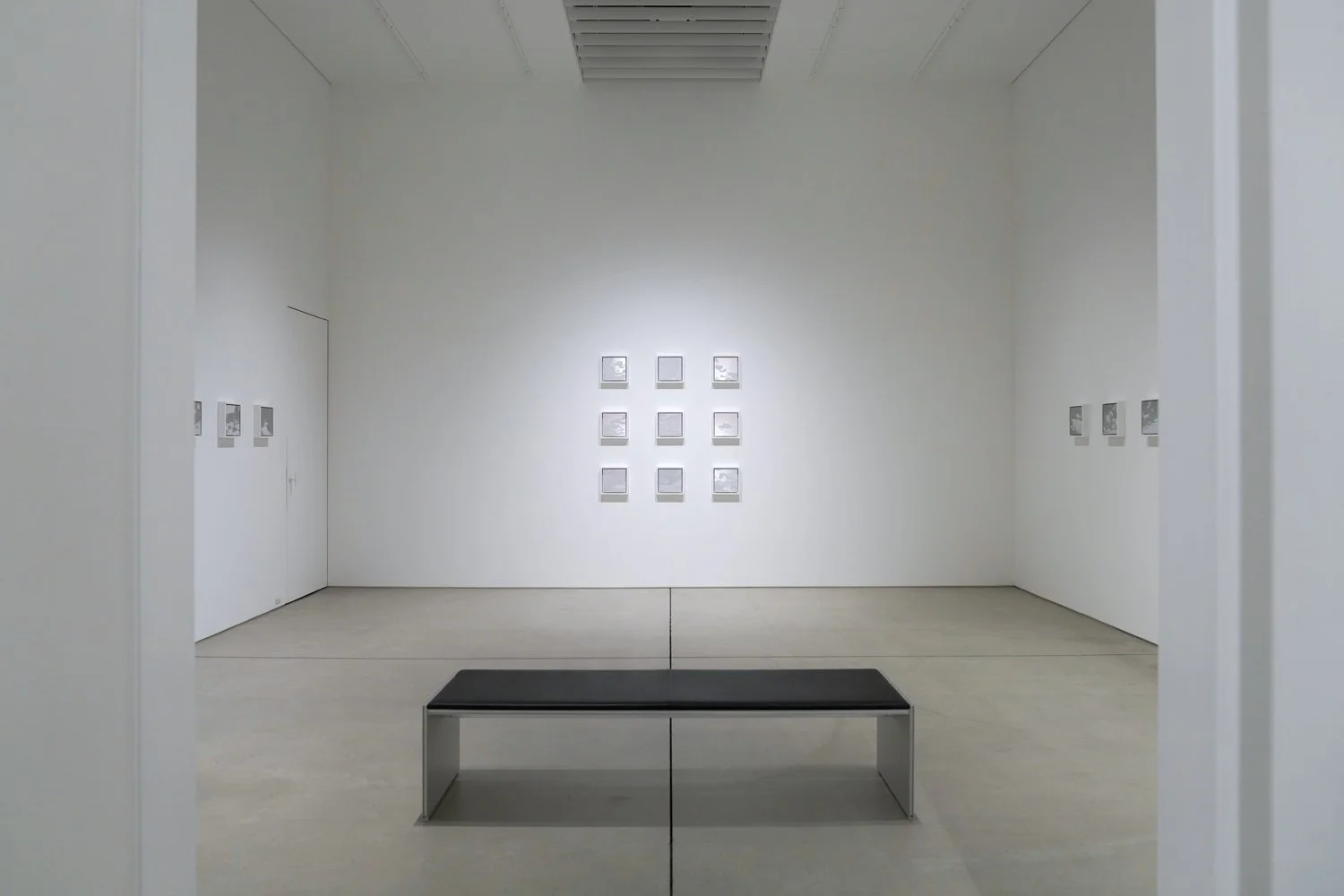
The seventy-two paintings on view each measure 8 by 8 inches (20.3 by 20.3 cm). Arranged as a continuous annual cycle, the works constitute a visual calendar in which time advances via hue, gradation, and atmospheric form. The chromatic structure of the series is derived from kasane no irome (襲の色目), a classical method of layering colors in Japanese court dress developed in the Heian period (794–1185). Since these palettes are drawn from plants, flowers, and environmental conditions present at specific moments in the year, their order and combination convey seasonal awareness through progression and adjacency. In this context, color functions as a culturally legible code, an index of cyclical position and temporal understanding.
Eight kasane color groupings structure the exhibition. Each kasane comprises nine consecutive microseasons that unfold as a tonal gradient across nine paintings. The kasane selected for this series are kōbai no nioi (紅梅の匂, “red plum gradation”), yanagi (柳, “willow”), kakitsubata (杜若, “iris”), fuji (藤, “wisteria”), suō no nioi (蘇芳の匂, “sappanwood gradation”), kuchiba (朽葉, “decayed leaves”), murasaki no usuyō (紫の薄様, “lightening purple”), and kōri (氷, “ice”). These selections embody early, middle, and late phases within every season. Kasane are realized as gradual chromatic progressions rather than distinct hues, reflecting the logic of shichijūni kō, in which seasonal transition occurs through sustained modulation as color advances incrementally from one painting to the next.
The microseasons represented in Ando’s work describe time as a sequence of brief intervals. Clouds embody a similar temporality through constant, minute transformation, functioning as a natural clock that emphasizes continued change over fixed form. Recurring throughout the artist’s practice, clouds serve as markers of transience and impermanence. Each painting captures the sky at a precise time and place, recording a configuration that will never appear in the same way again.
The term unsō (雲相) in the exhibition title combines un (雲), meaning cloud, and sō (相), denoting aspect, phase, or condition within classical observational vocabularies. Unsō directs attention to how clouds present themselves at a given moment, shaped by atmosphere and duration. Shichijūni kō unsō renders the seventy-two microseasons visible through chromatic sequence and subtle shifts in the natural world, articulating time as a continuous process perceived through sustained attention to gradual variation.